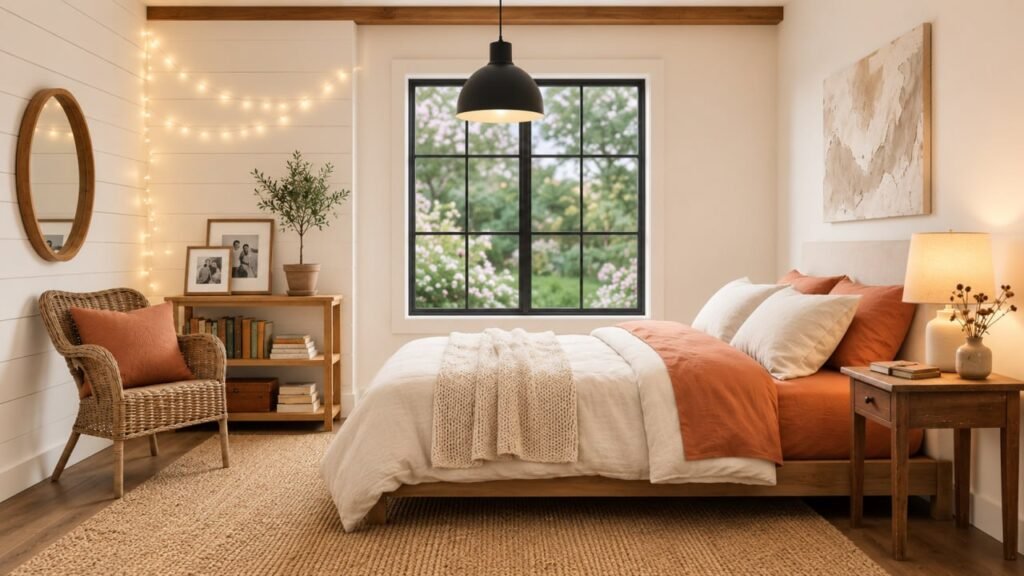
“Aesthetic room decor” isn’t really one style, it’s a category made up of dozens of overlapping ones, cottagecore, dark academia, soft girl, Y2K, warm minimalism, and more, each with its own color palette, texture, and mood. That’s exactly what makes the search term so confusing to start with.
Most guides respond by throwing a hundred ideas at you and hoping something sticks. We’d rather help you figure out which aesthetic actually fits how you live, then show you how to build it without spending everything on decor you’ll want to replace in six months.
At Homzent, we think a genuinely aesthetic room isn’t one that photographs well, it’s one that feels like you every single day, including the days no one else sees it. This guide breaks down the major aesthetic styles, how to combine or personalize them, and the small number of things that make any aesthetic room actually work.
What “Aesthetic Room Decor” Actually Means
The word “aesthetic” here isn’t just a synonym for “pretty,” it refers to a specific, identifiable visual language, tied to a mood, a subculture, or an era, that you apply consistently across a space.
That consistency is what separates an aesthetic room from a room that’s just nicely decorated. A cottagecore room and a dark academia room can both be beautiful, but they pull from completely different color palettes, materials, and reference points. Picking an aesthetic essentially gives you a filter that makes every future decor decision faster, because you already know what does and doesn’t belong.
Popular Aesthetic Room Styles at a Glance
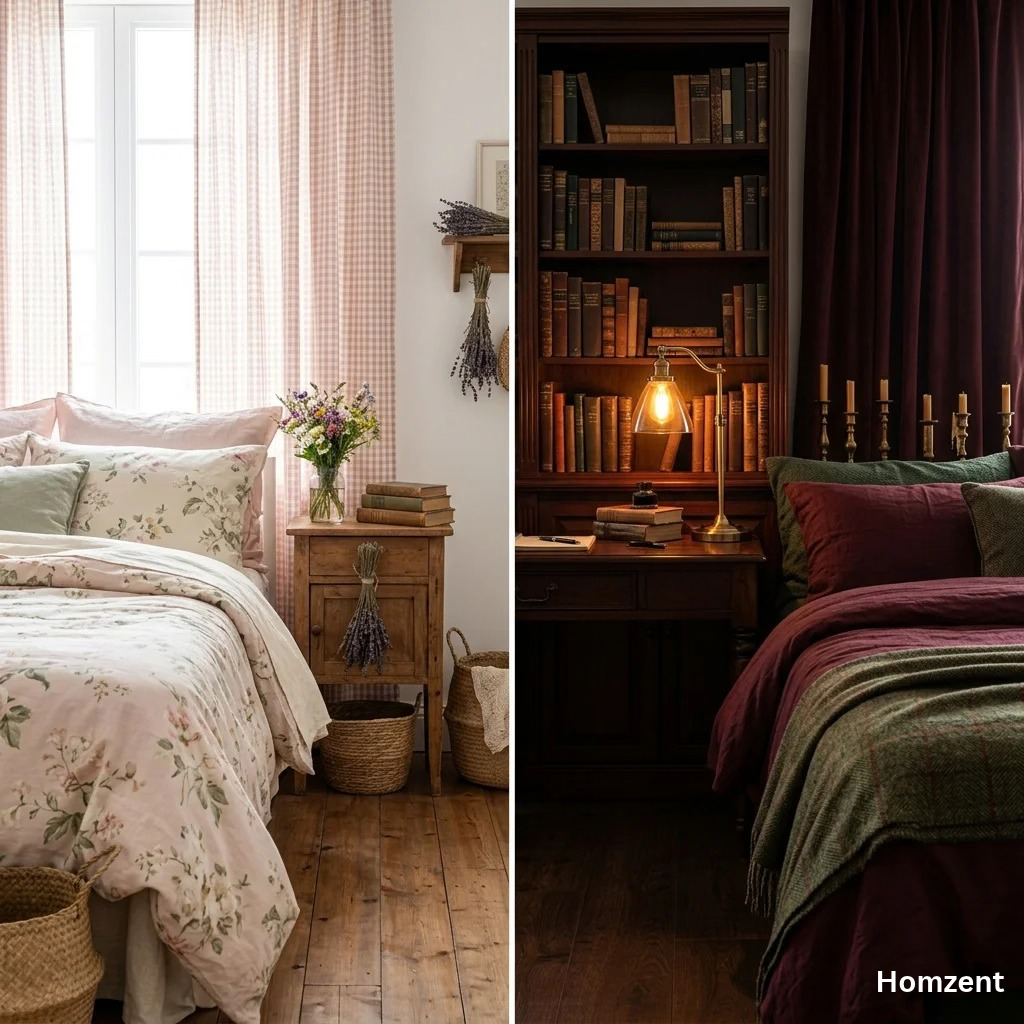
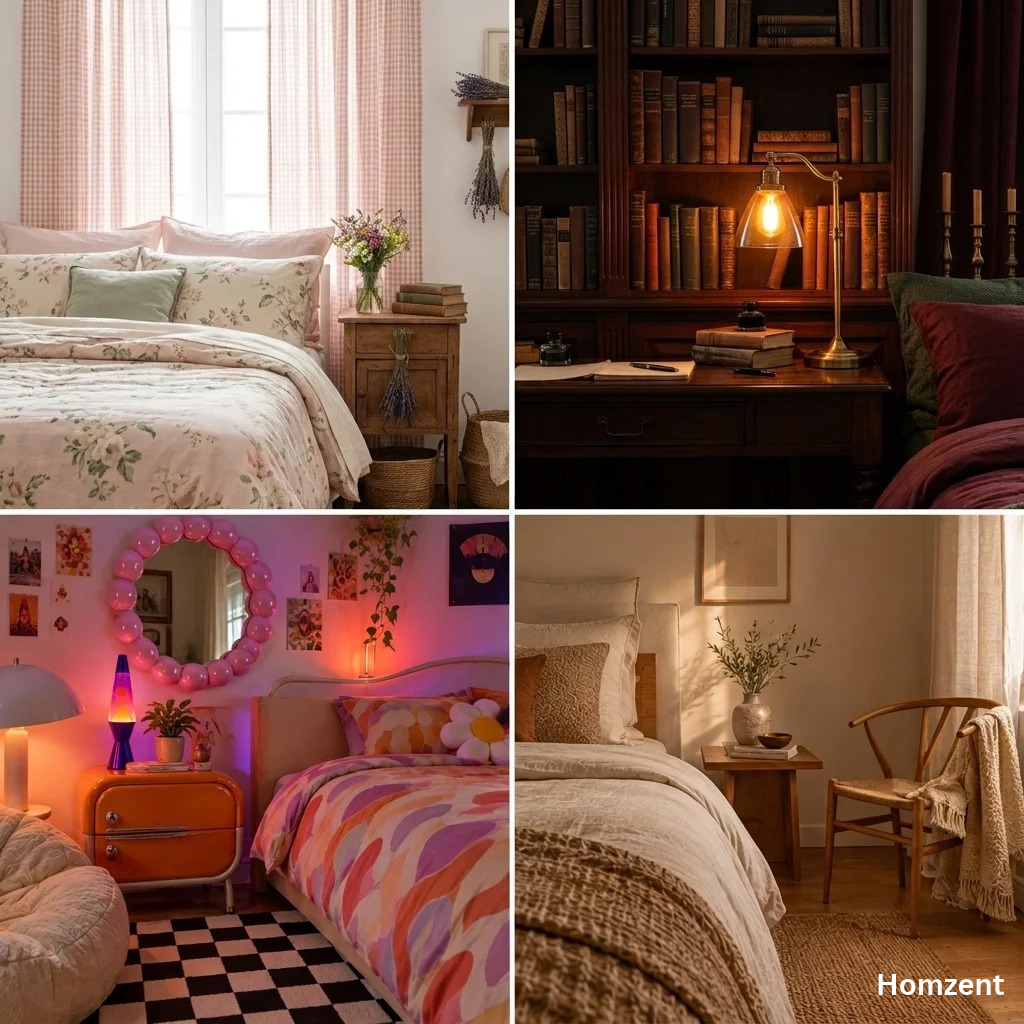
- Cottagecore. Soft florals, vintage furniture, warm wood tones, and dried or fresh flowers create a romantic, countryside-inspired feel.
- Dark academia. Deep browns, forest green, and burgundy, paired with old books, vintage frames, and warm, moody lighting, evoke an old-library atmosphere.
- Soft girl / coquette. Pastel pinks, bows, lace details, and soft textures like faux fur create a delicate, feminine mood.
- Y2K / retro revival. Bubble mirrors, lava lamps, checkerboard patterns, and playful neon accents bring back early-2000s nostalgia.
- Danish pastel / preppy. Muted pastels, natural wood, and clean, simple furniture shapes create a calm, softly polished look.
- Warm minimalism (sometimes called “midmalism”). A step beyond stark white minimalism, this blends a clutter-free layout with soft neutrals, natural texture, and a bit more personality.
- Dopamine decor. Bold jewel tones, playful patterns, and colorful accents are chosen specifically to boost mood rather than follow a single cohesive color story.
Most people don’t fit neatly into just one of these, and that’s completely normal. Many of the most well-loved aesthetic rooms blend two styles, like cottagecore’s warmth with dark academia’s moodier palette, rather than following one strictly. Treat this list as a starting vocabulary rather than a strict category you have to commit to entirely.
At Homzent, we’ve noticed that the most timeless aesthetic rooms rarely copy a single trend exactly. They usually borrow ideas from two or three styles while staying consistent in color, texture, and mood.
How to Find Your Aesthetic Without Buying Everything
Before buying anything, it helps to narrow down your aesthetic the same way a stylist would narrow down a wardrobe, by identifying a small set of consistent choices rather than collecting everything that looks nice individually.
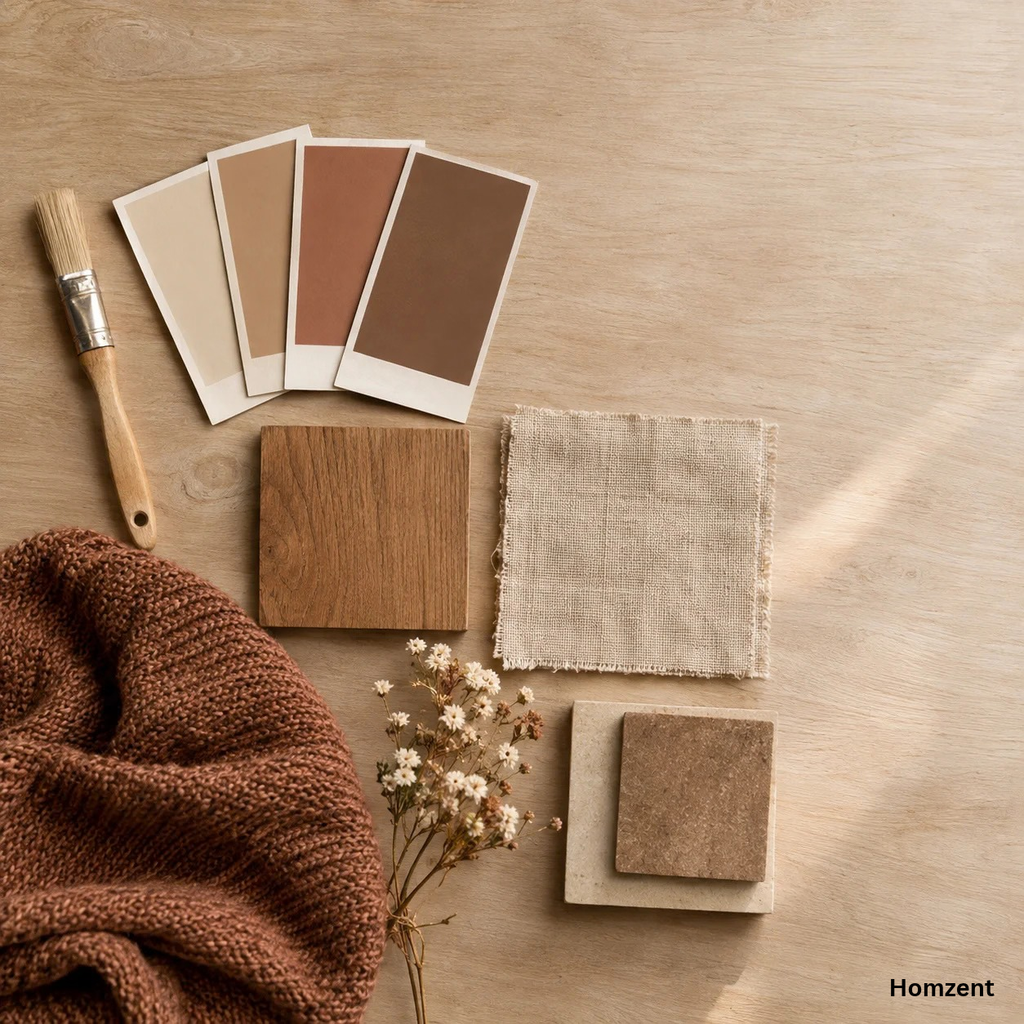
Start with color, not products. Choose two to four main colors before shopping for anything. This single decision does more to create a cohesive aesthetic than any individual piece of decor.
Pick one signature texture or material. Whether that’s soft knit throws, dark wood, or glossy plastic accents, repeating one material across a few items ties a room together fast.
Choose your lighting mood before your lighting fixtures. Warm and cozy, moody and dim, or bright and playful, this decision shapes how every other color and texture in the room actually reads.
Rearrange and restyle before buying new. Many aesthetic transformations start with existing furniture in a new layout, rather than an entirely new shopping list.
Layer decor over time instead of all at once. Rooms built gradually, piece by piece, tend to feel more genuinely personal than ones assembled in a single shopping trip, and this pacing also makes the budget easier to manage.
The Elements That Make Any Aesthetic Room Actually Work
Regardless of which specific aesthetic you choose, a handful of details separate a room that looks intentional from one that looks like a pile of trending items.
- Layered lighting over harsh overhead light. Almost every aesthetic, from cozy cottagecore to moody dark academia, depends on ambient, layered lighting rather than a single bright ceiling fixture.
- Texture and dimension over flat prints. Textured wall art, layered fabrics, and dimensional objects read as more considered than flat posters alone, regardless of which aesthetic you’re working within.
- A tight, repeated color palette. Rooms that stick to two to four colors consistently look more cohesive than ones that add a new color with every new item.
- A few personal, non-trend items. A meaningful photo, a handmade object, or a genuinely favorite color that doesn’t perfectly match the aesthetic keeps a themed room from feeling like a showroom.
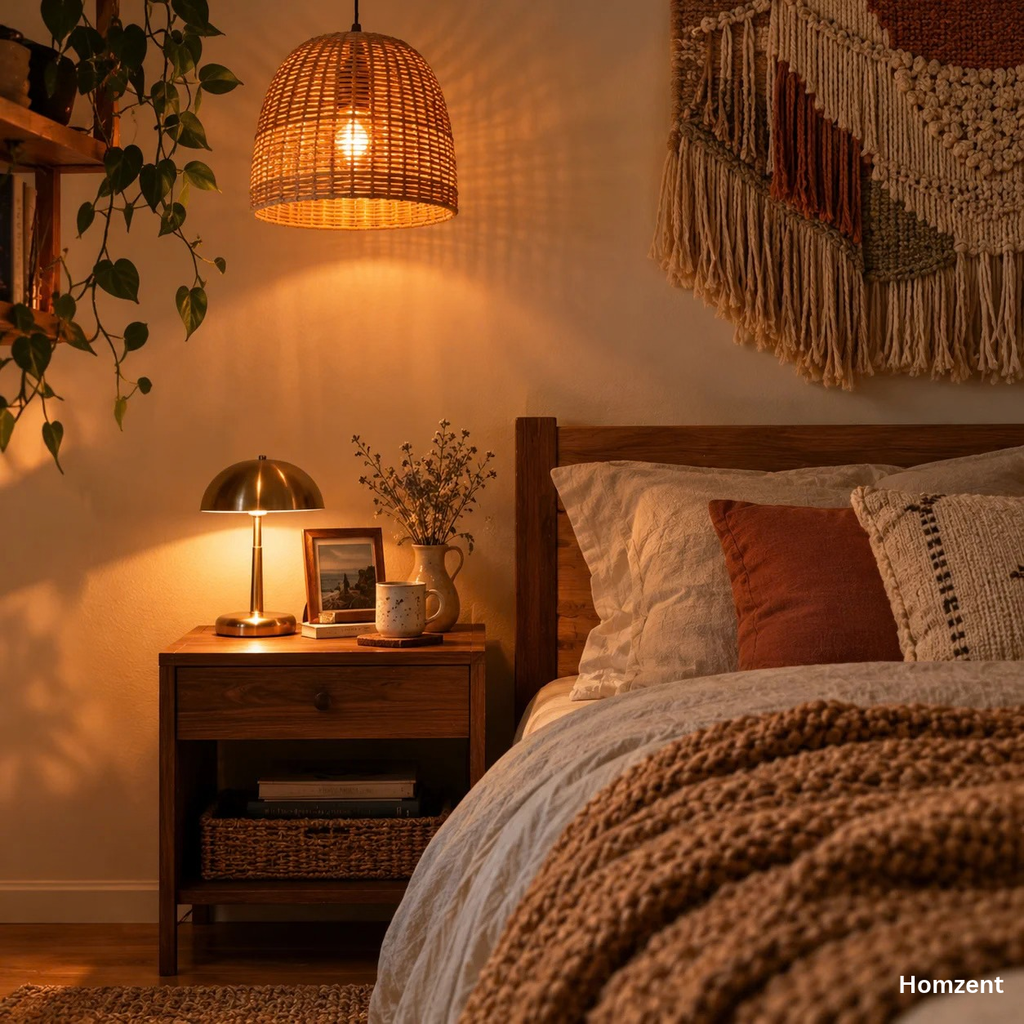
Budget-Friendly Ways to Build an Aesthetic Room
An aesthetic room doesn’t require replacing everything you own, some of the most effective updates are inexpensive and reversible.
- Try DIY textured wall art. Simple plaster or joint-compound art techniques can mimic higher-end gallery pieces for a small fraction of the cost, and work well across several aesthetics.
- Use string lights or neon rope lighting instead of a full fixture swap. These add ambient mood lighting without any electrical work, and can be moved or removed easily.
- Shop secondhand for aesthetic-specific furniture. Vintage and thrifted pieces often fit cottagecore, dark academia, and Y2K aesthetics better than new furniture built to imitate the look.
- Swap textiles before swapping furniture. New pillow covers, a throw blanket, or curtains in your chosen palette can shift a room’s whole feel without buying a single new piece of furniture.
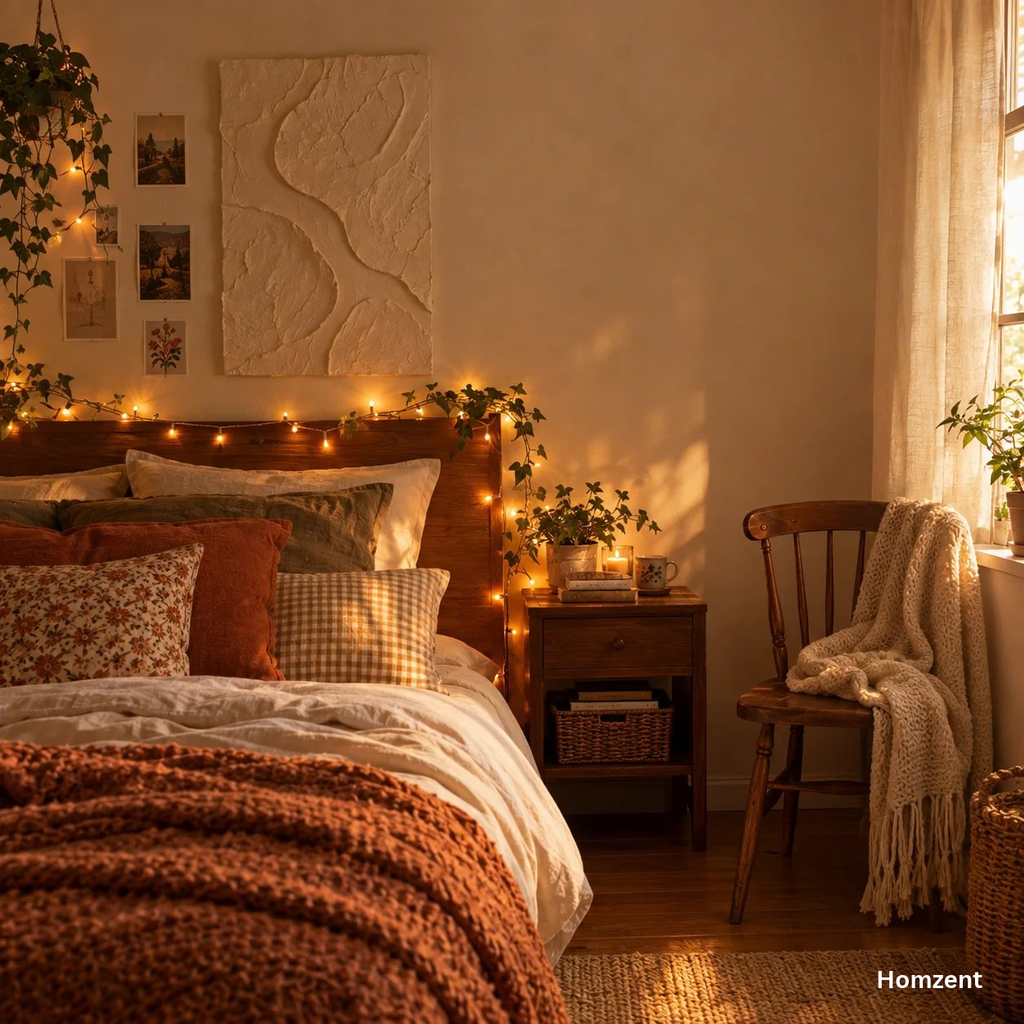
Common Aesthetic Room Decor Mistakes to Avoid
Designing for photos instead of daily life. A room that looks perfect in a single photo but isn’t comfortable to actually live in tends to lose its appeal fast; comfort and function should stay part of the aesthetic, not separate from it.
Chasing every trend at once. Mixing too many aesthetics without any consistent color or material thread usually reads as cluttered rather than personal.
Over-decorating a small space. Too many decorative objects, even ones that individually fit the aesthetic, can overwhelm a small room and undercut the calm or curated feeling most aesthetics are going for.
Ignoring lighting. A room with all the right colors and objects can still feel off if it only relies on a single harsh overhead light instead of layered, ambient sources.
Skipping personal touches for pure trend items. A room built entirely from trending products, with nothing personal mixed in, often feels less like “your” aesthetic and more like a showroom recreation of someone else’s.
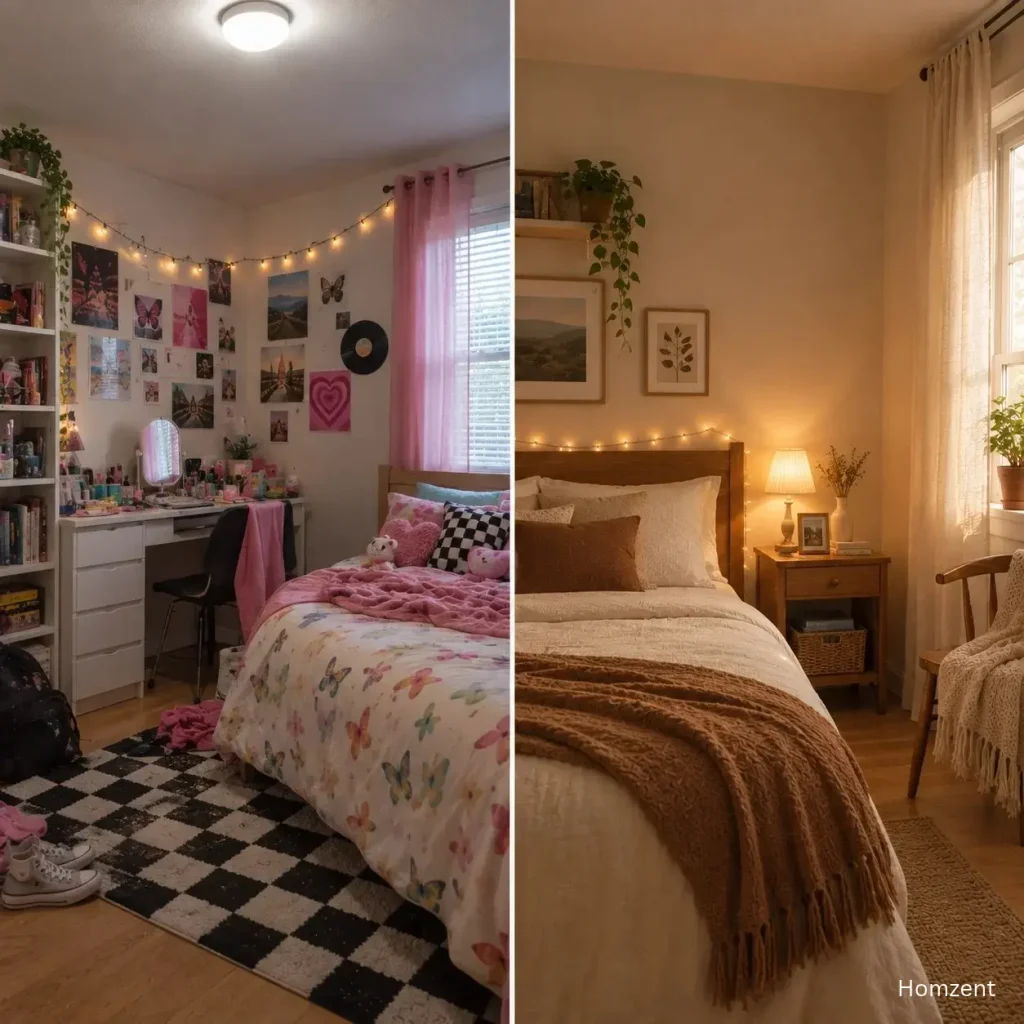
[IMAGE PLACEHOLDER 7] Suggested: Example of an overdecorated, trend-only room vs. a curated, personal one Alt text: “Common aesthetic room decor mistakes overdecorated”
Budget Aesthetic Decor vs. Fully Committed Aesthetic Rooms
| Factor | Budget Approach | Fully Committed Approach |
| Starting Point | Rearrange existing furniture, add textiles and lighting | New furniture chosen specifically for the aesthetic |
| Average Cost | Low—often under $150 for lighting, textiles, and small decor | Higher—can run into the hundreds or thousands for furniture and wall treatments |
| Flexibility | Easy to shift aesthetics again later | Harder to change once furniture and larger pieces are committed |
| Best For | Dorm rooms, rentals, testing a new aesthetic | Long-term bedrooms, fully personalized permanent spaces |
At Homzent, we usually suggest starting with the budget approach even if you eventually want to go further, since it’s the fastest way to confirm an aesthetic actually feels right to live in before committing bigger furniture budgets to it. A color palette and a few textile changes can tell you more about whether an aesthetic suits your daily life than any amount of scrolling ever will.
Frequently Asked Questions
What is aesthetic room decor? Aesthetic room decor refers to decorating a space around a specific, identifiable visual style and mood, such as cottagecore, dark academia, or warm minimalism, rather than mixing decor without a consistent theme.
How do I find my room aesthetic? Start by noticing which colors, textures, and moods you’re consistently drawn to across the rooms and images you save, then narrow that down to two to four main colors and one signature texture before shopping for anything new.
What are the most popular aesthetic room styles right now? Cottagecore, dark academia, soft girl or coquette, Y2K and retro revival, Danish pastel, warm minimalism, and dopamine decor are among the most searched and widely recognized aesthetic room styles currently.
How can I decorate an aesthetic room on a budget? Rearranging existing furniture, adding string lights or layered lighting, swapping textiles like pillow covers and throws, and trying budget-friendly DIY wall art are all effective, low-cost ways to shift a room’s aesthetic.
Can I mix two different room aesthetics? Yes, many well-designed aesthetic rooms blend two styles rather than following one strictly, as long as they share a similar color palette or mood so the combination still feels cohesive rather than random.
What makes a room feel aesthetic instead of just decorated? Consistency is the biggest factor: a tight, repeated color palette, layered lighting, matching textures, and a clear visual theme separate an aesthetic room from one that’s simply decorated with unrelated nice items.
Is aesthetic room decor just a trend for teenagers? While it’s especially popular with students and younger renters due to social media, the underlying idea, decorating around a consistent personal style and mood, applies to any age and any type of space.
What is dopamine decor? Dopamine decor is an aesthetic built around bold, joyful color and playful patterns chosen specifically to boost mood, prioritizing personal happiness and energy over a single cohesive, muted color story.
Does aesthetic room decor work for small dorm rooms? Yes, and in many ways it’s especially well suited to dorm rooms, since most aesthetic styles rely more on color, lighting, and textiles than large furniture, all of which are renter-friendly and easy to remove without damage.
Final Thoughts
Aesthetic room decor works best when it starts with how you actually want to feel in the space, not with a shopping list pulled from someone else’s Pinterest board. Once you’ve narrowed down a color palette, a texture, and a lighting mood, most decisions after that get significantly easier and cheaper.
Pick the aesthetic that matches how you actually live, not just how you want your room to photograph, and let the rest of the details build out from there. That’s the kind of personal, practical thinking we like to bring to every guide at Homzent.